
The James T. White Clam Depuration Plant
76 Fifth Street, Highlands, NJ 07732
Phone: 732-291-7344
jtwhiteclamplant@comcast.net
2025 NJEDA Grant Plan Highlands with Appendices
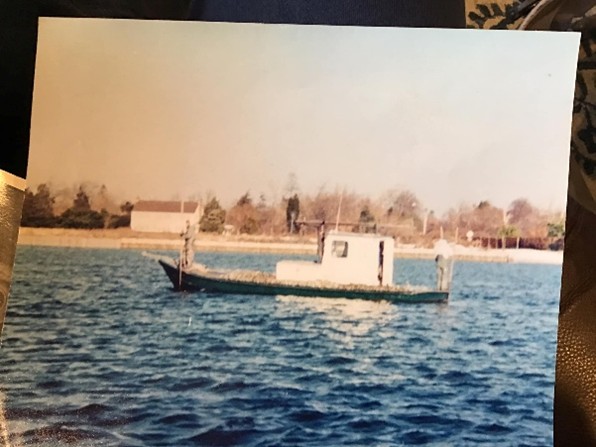
Clamming in the Borough of Highlands began during the times of its first settlers and continues to serve as a significant industry to this day. The clamming industry has thrived within the Raritan and Sandy Hook Bays for years due to a combination of factors, including water depth, temperature, salinity, and sediments. Borough records and accounts from the mid-20th century unveil that it was not uncommon for several generations of clammers to make their living and reside in Highlands.
The first depuration plant in the Borough opened in 1974, with a total of $50,000 of public money received by the lobbying efforts of the Baymen’s Protective Association (BPA). The BPA, at the time, was a loose collective of North Jersey clammers. In addition to maintaining the Borough’s clamming legacy, the BPA viewed the depuration operations as a solution to keep up with heightened health standards for shellfish distribution, and rising concerns over water pollution. The facility closed in the mid-1980s, when the required health standards could not be met.
A turnaround for the Highlands clamming industry occurred in the early 1990s, when James T. White, a clammer, teacher, and former Borough Mayor, received a $1.3 million grant from Port Authority of NY and NJ. The grant agreement, which was executed on July 25, 1991, stated that the site was to only operate as a public nonprofit clam depuration facility. The existing Plant opened three years later in 1994 on a Borough-owned parcel, after struggling with grant money management due to White’s death.
Conflicts with private management during this time led the BPA to become a nonprofit organization in 1998. The BPA has overseen the operations of the JT White Shellfish Plant Inc. (its processing entity/management company) for the past 27 years. In turn, JT White Shellfish Plant Inc. sells its product to Certified Clam Corporation (the wholesaler), which sells to local restaurants and other wholesalers.
The most recent lease agreement between the Borough and the BPA was renewed on December 21, 2016 (See Borough Ordinance 0-16-28). The lease agreement includes an initial term of 10 years, with options to renew for three (3) additional terms of five (5) years each (i.e., maximum term of lease of 25 years).
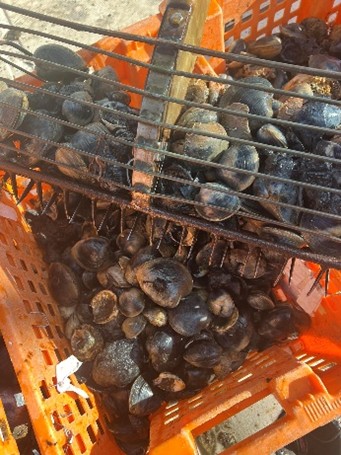
The JT White Plant’s depuration operations promote sustainable practices within the shellfish industry and maintain clamming in the Borough, thus presenting a heightened potential to attract local collaborations and investment. Annual monitoring reports from the Plant state that there is an average yearly harvest of between 20 and 25 million clams, with net sales around $1 million per year. Between 35 and 45 clammers work on the site, with an additional 25 employees working within the plant itself (e.g. operating machines, packaging, shipping, administration). Tours by appointment only.